
As submissions of Pride in Place Plans for the latest group of areas start to finalise, PLACED have been reflecting on what we’ve learnt supporting several boards and communities with engagement activities over the last year.
For those who may not know, Pride in Place is a non-competitive fund providing £20 million over ten years to small ‘neighbourhood’ scale areas. In total, there have been 284 places selected by the UK Government because they are ‘doubly disadvantaged’ (their words, not ours). This is measured by high deprivation scores and weak social infrastructure. There is a lot that could be said here about language, but that’s for another time. The fund is managed by a neighbourhood board, typically chaired by a local person, including local political representation and made up of at least 51% residents or local workers.
We've worked with boards since the very start and seen this kind of programme go through a few different versions before becoming Pride in Place. This most recent incarnation has really shown how the programme has matured and become more ambitious.
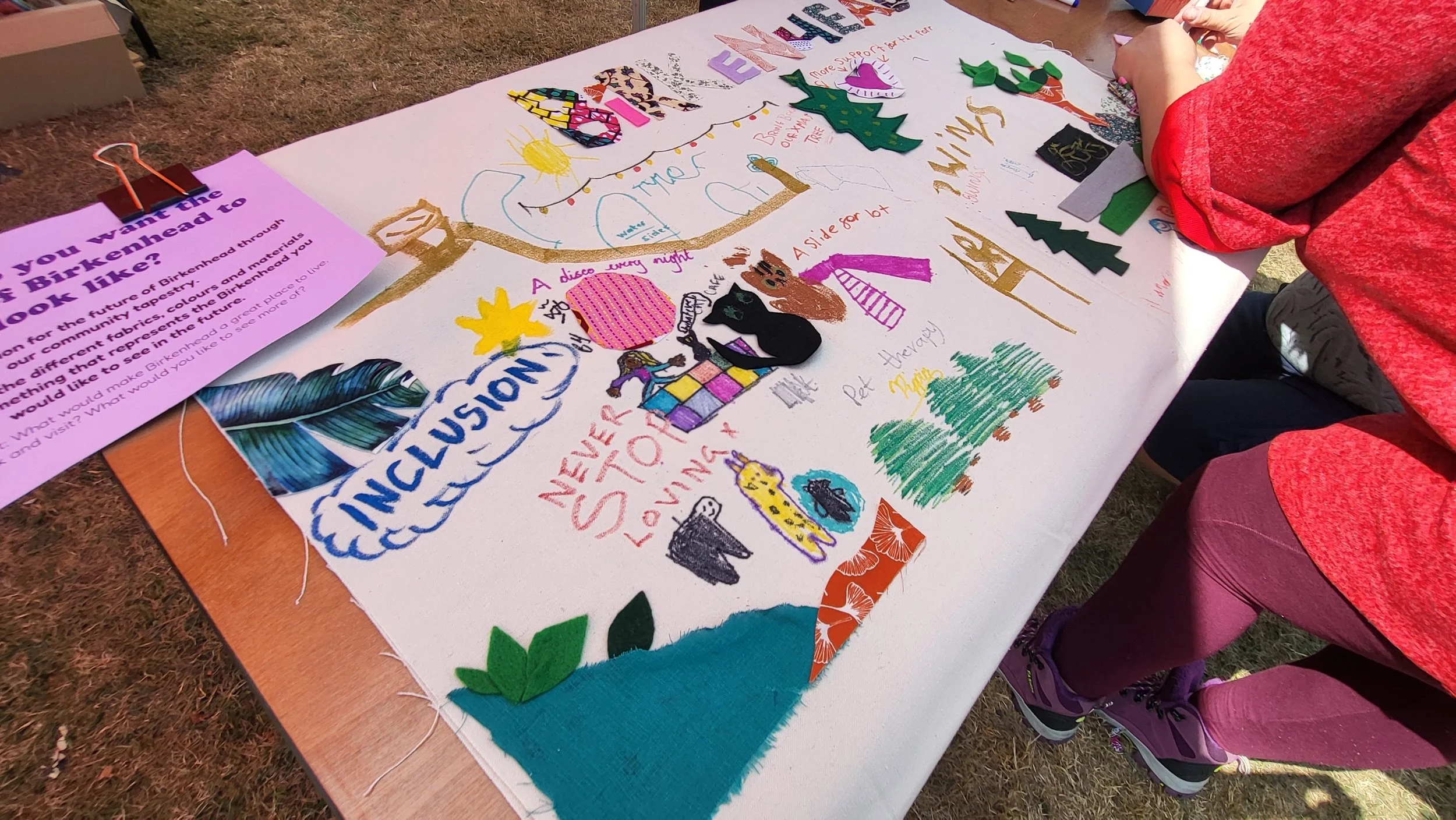
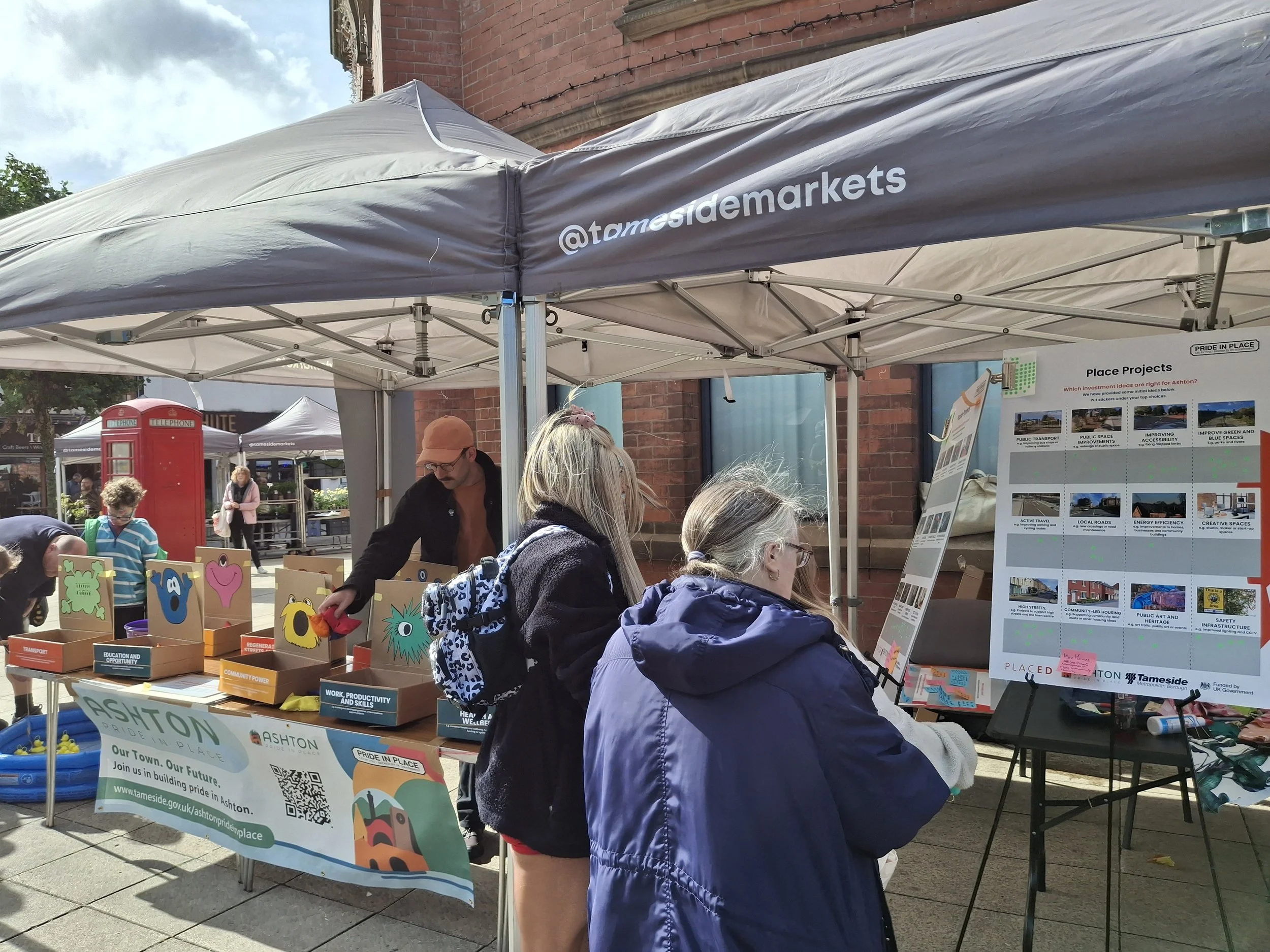
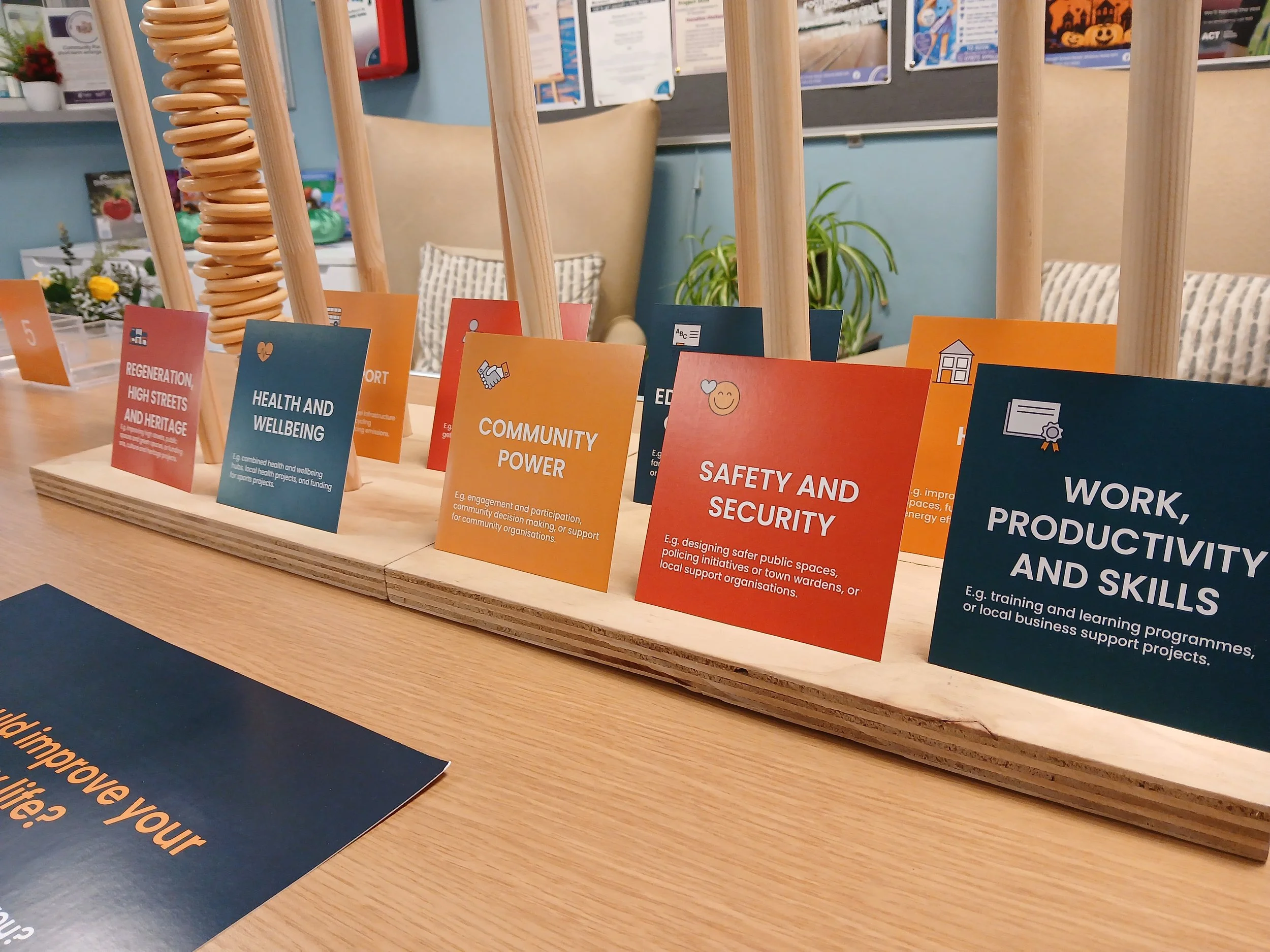
High hopes
We’ve seen genuine excitement amongst neighbourhood boards, on the streets and in community centres for what could be achieved through Pride in Place. The flexibility, mix of investment options, broad set of themes all serve to create a fund which has real potential and has generated excitement.
Knowing that decision-making and power rests with a local board means we have also heard support for the community power aspect of the fund, with some choosing to pause scepticism in favour of tentative hope.
That’s surely got to be a win for a fund which lists ‘stronger communities’, ‘thriving places’, and ‘taking back control’ as its strategic aims.
High stakes
Amongst planning engagement events, workshops, mapping assets and the day-to-day of our support to boards, we’ve also seen some of the pressures being felt.
There’s a lot riding on Pride in Place. Twenty million pounds sounds like a lot of money, and of course it is, but as boards start to identify all their aspirations, they will need to focus on how that money is spent and invested. Many are discussing ways to make their money go further, including match funding, strategic investments, plugging funding gaps, and hopefully, getting good chunks of that money out to community organisations to do their thing. So, it’s worth remembering this isn’t a silver bullet, but there’s certainly potential to shift the dial.
In practice, community power seems to rely heavily on volunteer labour. We should all be congratulating and thanking the boards and individuals involved! Many are doing an amazing job and demonstrating the potential of community decision-making. However, Pride in Place volunteers are being asked to do a lot of work, and that’s a risky strategy. Pinning the programme's success on a small group of volunteers means relying on a few people to carry a lot, and that risks burnout. We know some boards are already thinking about how to share that load.
The knowledge, skills and capacity of boards is something we’ve also seen stretched. This is partly the stage we’re at. Many board members are new to this work. They bring lived experiences typically not represented at these decision-making tables, but they are also doing something quite new in many instances. Providing relevant training and capacity building will be essential to help the most exciting board members make the biggest difference.
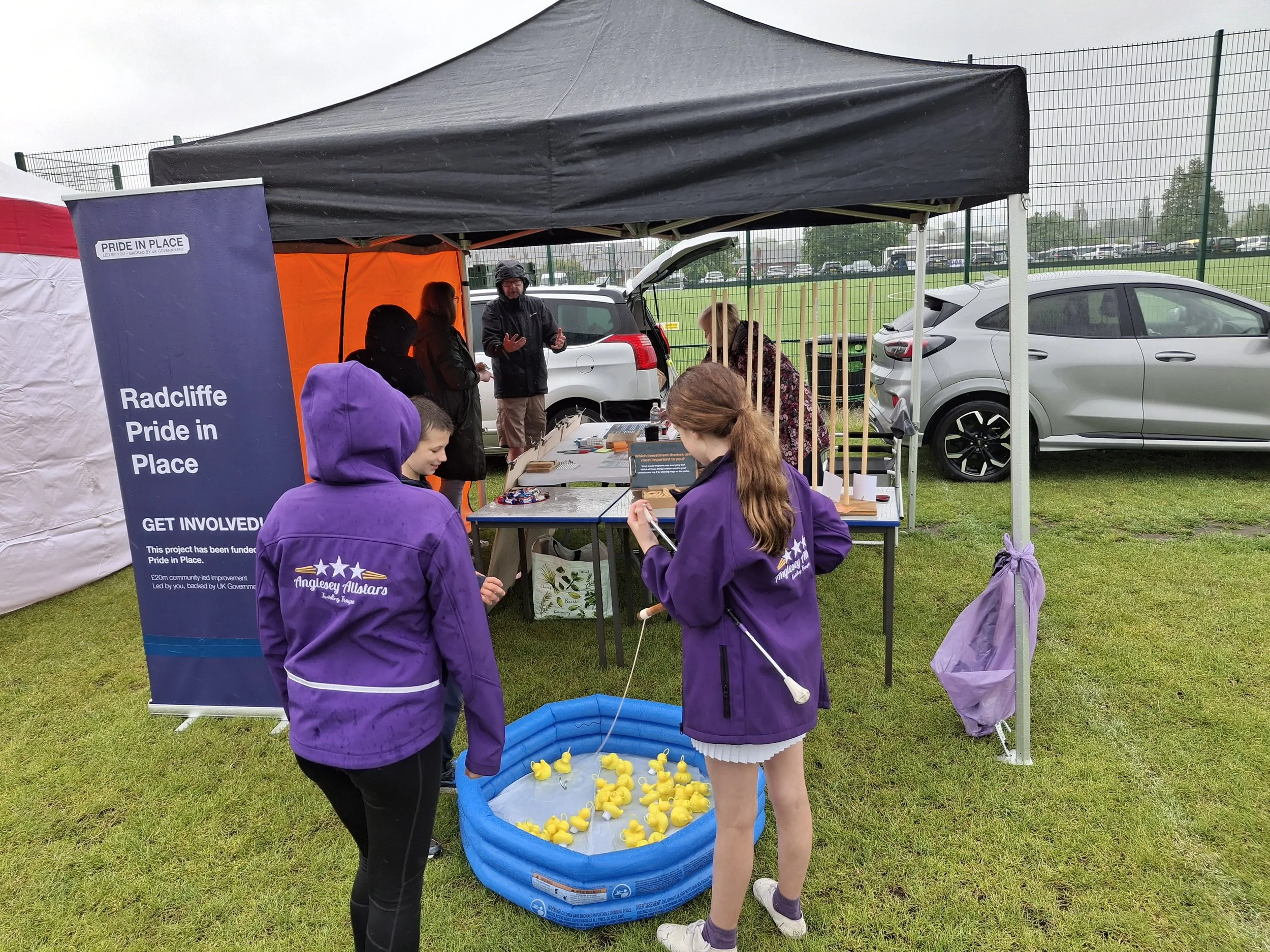

Is the system ready?
The flip side of the capacity-building coin is the culture of the ‘regeneration’ system and the public sector. Raising the question not just of whether board members are ready for their new roles, but is the system ready for them?
Offering a seat at the table is the easy bit, making that table inclusive is much more difficult. The mechanics of board meetings, agendas, meeting papers, motions, votes, boardrooms; none of this is necessarily inclusive. Making us wonder if Pride in Place could be accused of jumping to the exciting community-led bit before thinking about their own systems change role. Being generous, the bravery to try is commendable and learning along the way to be expected. Finding the right mix of capacity building and culture change will be important as boards mature.
With local Members of Parliament and Councillors sitting on boards, and Council Officers often providing programme support, we’ve seen the political-council-community relationship play out differently. It seems perspectives differ on who is leading the charge and what ‘community-led’ really means. MPs and Councillors are elected after all, and many Councils would love to have an extra £20 million to spend.
Relatedly, the question of legitimacy of the boards has also come up. Boards don’t enact community power in the democratic way we’re used to. Maybe that’s the point. But it certainly has led to interesting conversations about who and how boards came to be, and why they get to make decisions for the community. Generally, board chairs applied and were interviewed by Councils and MPs before receiving applications and/or appointing the wider board. To build legitimacy and protect the process against concentrating power, we think boards need to remain aware of their limitations, share power and reach beyond their own group.
A big payoff?
Pride in Place has clearly generated excitement and has huge potential to deliver for communities. We hope our reflections usefully highlight some of the potential risks or pitfalls and suggest some ways to manage them.
At PLACED, we’re looking forward to following the boards and communities we’ve supported in these early months, and we’ll be thinking about how we can continue to offer support. We know putting community voices, especially those less-heard voices, at the heart of places is a winning formula, and we’re excited to be part of the story.
We’d also like to thank the boards, volunteers, community groups and council staff we’ve worked with.